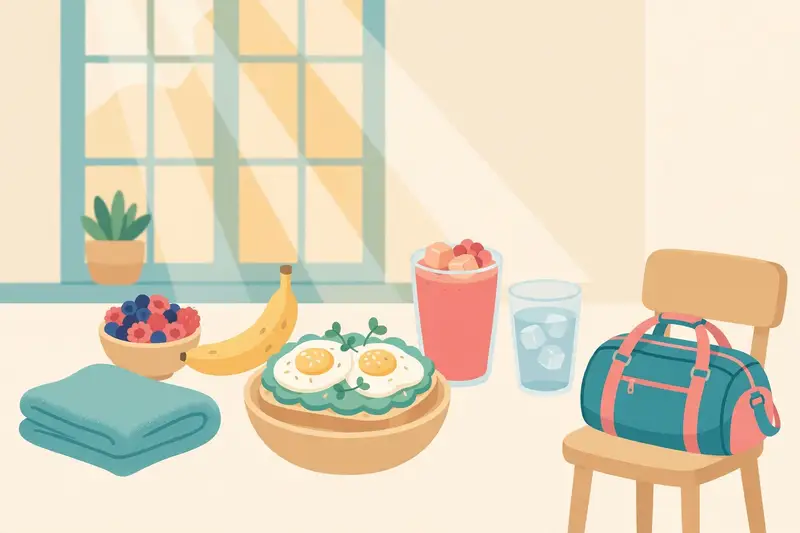
There is a moment after a workout when I stand in my kitchen, still a little warm from moving, and I think, now what? I have done the hard part. I showed up, I lifted the weights, I walked the hill, I finished the class. And then my stomach reminds me that the work is not quite finished, because my body needs fuel to recover well.
For a long time, I made that moment harder than it needed to be. I would either skip eating because I was busy, or I would grab whatever was closest and call it good enough. Sometimes that meant a handful of crackers while I answered emails. Sometimes it meant nothing at all until lunch, hours later. I felt tired in the afternoon, my muscles felt heavy the next day, and I wondered why my energy never quite matched my effort.
What I have learned, slowly and practically, is that post-workout food does not need to be fancy, expensive, or complicated. It needs to be enough, it needs to include protein and some carbohydrate, it needs to include fluids, and it needs to happen in a reasonable window after you finish moving. That is the whole idea. The rest is just choosing foods you actually enjoy and keeping them easy to reach.
This is not about a perfect meal or a strict rule. It is about giving your body steady support after exercise so you can feel strong, recover comfortably, and enjoy your next workout instead of dreading it. If you are a woman over 40 who is building strength, walking more, or getting back into a routine, this simple approach can make a real difference in how you feel day to day.
Why What You Eat After a Workout Matters
When you exercise, you use energy. Your muscles use stored carbohydrate for fuel, and your muscle fibers experience small amounts of stress from the effort. That stress is normal. It is part of how your body adapts and becomes stronger over time, especially when you rest and eat well afterward.
Food after a workout helps refill those energy stores. It also gives your body the building blocks it needs to repair muscle tissue. Think of it less like a reward and more like a repair crew arriving with the right supplies. You do not need a huge meal, but you do need something useful.
Hydration matters here too. When you sweat, you lose fluid. Replacing that fluid helps you feel less tired and less headachy later in the day. Water is often enough for a moderate workout, and a meal with some salt from normal foods can help replace what you lost through sweat.
I notice the difference most on strength-training days. If I eat a balanced meal with protein within a couple of hours, I feel steadier in the evening and less stiff the next morning. If I skip it, I feel flat, I get hungrier later, and I am more likely to snack mindlessly at night. The food is not magic. It is simply support.
It also helps to think about recovery as a full day, not a single meal. Your breakfast, lunch, dinner, and snacks all work together. A good post-workout meal is one helpful piece of that bigger picture, not the only piece that counts.
Protein After a Workout, in Plain Language
Protein gets a lot of attention after exercise, and for good reason. Protein provides amino acids, which your body uses to repair and maintain muscle. After a workout, your muscles are more ready to use those amino acids, which is why a protein-rich meal or snack can be especially helpful.
You do not need a protein shake to do this well. Many everyday foods work beautifully. Eggs, Greek yogurt, cottage cheese, chicken, turkey, tuna, beans, lentils, tofu, and milk are all practical choices. The key is to include a clear source of protein, not just a sprinkle of it.
A useful target for a post-workout meal is about 20 to 30 grams of protein for many active women, though your individual needs depend on your body size, your overall diet, and your activity level. That amount might look like two eggs with a slice of whole-grain toast and a cup of berries, or a cup of Greek yogurt with nuts and fruit, or a palm-and-a-half-sized portion of chicken with rice and vegetables.
If you are still figuring out how much protein is right for you across the whole day, my article on how much protein women need walks through the basics in plain language. It helped me stop guessing and start building meals that actually kept me full.
Try to spread protein through the day rather than saving it all for dinner. A little protein at breakfast, a little at lunch, and a solid portion after your workout is often easier on your stomach and more useful for your muscles than one very large serving at night.
Plant-based eaters can absolutely meet their needs after a workout. A bowl with a cup of cooked lentils, a cup of quinoa, and roasted vegetables is filling and protein-rich. Tofu stir-fried with vegetables and brown rice is another easy option. A smoothie made with milk or soy milk, frozen fruit, and a spoonful of peanut butter can work when you want something light and quick.
Carbs Are Not the Enemy After Exercise
Carbohydrates sometimes get blamed for everything, but after a workout they have a real job to do. Your body stores carbohydrate as glycogen in your muscles and liver. Exercise uses some of that stored energy, and eating carbohydrate afterward helps refill it.
That does not mean you need a giant plate of pasta after every walk. It means that pairing protein with a sensible portion of carbohydrate is usually a better recovery meal than protein alone. A piece of fruit, a slice of bread, a cup of rice, a cup of oatmeal, or a small potato can all do the job.
I like to think of carbohydrate as the fuel and protein as the repair material. You need both after a workout, especially after a longer or harder session. Together, they help you feel satisfied and give you energy for the rest of your day.
Whole foods tend to work well here because they also bring fiber, vitamins, and minerals. A sweet potato with chicken and green beans, a turkey sandwich on whole-grain bread with an apple, or yogurt with berries and granola are all simple examples. They are not diet foods. They are real meals.
If you exercised in the morning and your next meal is lunch, that lunch can be your post-workout meal. You do not need a separate snack plus a full lunch unless you are genuinely hungry for both. Listen to your appetite and let the timing of your normal meals guide you.
How Soon Do You Need to Eat?
You may have heard that you must eat within 30 minutes of finishing a workout or the meal does not count. That idea is more rigid than real life needs to be. For most of us, the window is wider and more forgiving, especially if you ate a balanced meal a few hours before you exercised.
A practical guide is to eat within one to two hours after your workout. That gives your body fuel while you are still in a good recovery window, without turning your kitchen into a race against the clock. If you can eat sooner, that is fine too, especially if you feel hungry right away.
If your workout was very long, very intense, or done first thing in the morning on an empty stomach, eating sooner can feel better. A small snack right after, followed by a fuller meal within a couple of hours, is a gentle way to handle that. You do not need to force a big meal when your stomach is still settling.
On the other hand, if you had a good breakfast two hours before a moderate walk, you do not need to panic if lunch is 90 minutes away. Your body is not a stopwatch. It is using the food you ate earlier, and your next meal will still help.
I keep a simple rule for myself: if I am hungry, I eat. If I am not hungry yet, I drink some water, shower, and eat within the next hour or two. That rhythm has worked far better than any strict countdown ever did.
It also helps to plan just a little. If I know I will finish a workout at 10:30 in the morning, I think about what lunch will be before I start. That way I am not standing in front of the refrigerator, tired and undecided, reaching for the first thing I see.
What to Drink After a Workout
Water is the first thing I reach for after exercise. I drink a full glass, then I keep a bottle nearby while I cool down and get on with my day. For most moderate workouts, water is enough.
How much you need depends on how much you sweated, how long you exercised, and how warm it was. A good check is the color of your urine later in the day. Pale yellow is a helpful sign that you are drinking enough. Dark yellow often means you need more fluid.
Sports drinks are not necessary for a 30-minute walk or a gentle strength session. They can be useful after a very long, sweaty workout, because they replace fluid and some salt, but for everyday exercise, water and a normal meal usually cover your needs.
Milk, smoothies, and soups can also count toward fluid and nutrition at the same time. A glass of milk with a peanut butter sandwich, for example, gives you fluid, protein, and carbohydrate in one easy combination. A bowl of vegetable soup with bread can be comforting and hydrating after a cool-weather workout.
Be careful with alcohol after exercise. It does not help recovery, it can add to dehydration, and it can interfere with sleep. Save it for later, if you choose to have it, and drink water first.
I also try to keep water visible. A bottle on the counter is easier to remember than a glass hidden in a cabinet. Small habits like that make hydration feel automatic instead of like another chore.
Simple Post-Workout Meals That Actually Work
The best post-workout meal is one you will actually make. It does not need a long ingredient list or a special trip to the store. It needs protein, some carbohydrate, a little color from vegetables or fruit, and enough food to leave you satisfied.
Here are meals I come back to again and again because they are quick, filling, and easy to adjust:
- Scrambled eggs (two eggs) with a slice of whole-grain toast, a cup of berries, and a glass of milk.
- Grilled chicken (about 4 to 5 ounces) with a cup of cooked brown rice and a cup of steamed broccoli.
- A tuna sandwich on whole-grain bread with lettuce and tomato, plus an apple and a handful of almonds.
- Greek yogurt (about 3/4 to 1 cup) with a sliced banana, a spoonful of peanut butter, and a small handful of granola.
- A turkey and cheese wrap with a cup of grapes and a small side salad.
- Stir-fried tofu (about 5 ounces) with a cup of cooked quinoa and a cup of mixed vegetables.
- A bowl with a cup of cooked lentils, a cup of roasted sweet potato cubes, and a cup of sauteed spinach.
- Salmon (about 4 ounces) with a small baked potato and a cup of green beans.
- Oatmeal made with milk, topped with a sliced peach and a spoonful of chopped walnuts, plus a boiled egg on the side.
- A chicken and vegetable soup with a whole-grain roll and a piece of fruit.
Notice how ordinary these meals are. They use foods you can find in a regular grocery store, and they do not require a blender, a food scale, or a new skill. If you can make a sandwich, scramble eggs, or warm up leftovers, you can make a good post-workout meal.
Leftovers are your friend here. If you cooked chicken and rice for dinner last night, that same combination makes a fine lunch after a morning workout. If you have a pot of soup in the refrigerator, warm a bowl and add a roll. Recovery food does not need to be cooked fresh every time.
For busy nights, my collection of healthy dinner ideas for busy weeknights is a good place to find meals that work after an evening workout too. The goal is the same: protein, carbohydrate, and something fresh, without a long cooking session.
Quick Post-Workout Snacks
Sometimes a full meal is not practical right after exercise. Maybe you need to pick up the kids, run an errand, or get back to work. A snack can bridge the gap until your next meal, and it can still be useful.
A good snack pairs protein with carbohydrate, just like a meal, only smaller. It should be easy to eat, easy to carry, and satisfying enough to keep you from feeling shaky or overly hungry an hour later.
Here are snack ideas that work well after a workout:
- A small carton of Greek yogurt with a handful of berries.
- An apple with two tablespoons of peanut butter.
- A hard-boiled egg with a small whole-grain roll.
- A cup of cottage cheese with sliced peaches or pineapple.
- A banana with a small handful of almonds.
- Whole-grain crackers with about 2 ounces of cheese.
- A small smoothie made with a cup of milk, a frozen banana, and a spoonful of peanut butter.
- A half sandwich with turkey and cheese.
- A cup of chocolate milk and a small handful of trail mix.
- Hummus (about 1/4 cup) with carrot sticks and a small pita.
Keep one or two of these options ready if you can. Hard-boiled eggs in the refrigerator, single-serve yogurt cups, fruit on the counter, and nuts in a jar make the choice easy when you are tired. The easier the choice, the more likely you are to make it.
If you want more snack ideas that fit a balanced routine, my guide to healthy snacks for weight loss has plenty of options that are satisfying without being heavy. Many of them work just as well after a workout as they do between meals.
Try to avoid turning a snack into a meal and then a meal into a second meal. A snack is a bridge, not a replacement for a real meal when you have time for one. If you are still hungry after a snack, that is a sign to eat a fuller meal soon.
What to Eat After Strength Training vs. Cardio vs. Walking
Different workouts ask for slightly different support, but the basics stay the same. You still need fluid, protein, and carbohydrate. The difference is mostly in how much food you need and how soon you feel like eating it.
After Strength Training
Strength training is the time when protein matters most. Your muscles have worked hard, and they need amino acids to repair and adapt. A meal with a clear protein source is a good priority here.
Aim for a meal with about 20 to 30 grams of protein and a serving of carbohydrate. Chicken with rice and vegetables, eggs with toast and fruit, or Greek yogurt with granola and berries are all good fits. If your session was longer or harder than usual, a slightly larger meal is reasonable.
I also pay attention to how I feel the next day. If I am very sore after a strength session, I check whether I ate enough protein and drank enough water. It is not a cure for soreness, but it helps me feel more supported and ready for the next session.
After Cardio
After a cardio workout, such as brisk walking on hills, cycling, swimming, or a dance class, carbohydrate can be especially helpful because you have used more stored energy. Pair it with protein, and you have a balanced recovery meal.
A turkey sandwich with fruit, oatmeal with milk and nuts, or a rice bowl with beans and vegetables are all practical choices. If you sweated a lot, pay extra attention to fluids. Drink water first, then enjoy your meal.
If your cardio session was short and gentle, you may not need a large meal. A snack and your next regular meal may be enough. Let your hunger and the length of the workout guide the size of what you eat.
After Walking
Walking is wonderful exercise, and it does not require a special recovery meal. A normal balanced meal or snack is usually enough. If you walked before breakfast, breakfast can be your post-workout meal. If you walked after lunch, your next snack or dinner can fill that role.
A simple example is a bowl of oatmeal with milk and fruit after a morning walk, or a yogurt and a piece of toast after an afternoon walk. You do not need extra food just because you walked, but you do need to eat regularly and include protein across the day.
The main mistake I see with walking is skipping food because the workout felt easy. Your body still used energy, and a balanced meal helps you stay steady. Eat normally, drink water, and enjoy the fact that walking is both gentle and effective.
Common Mistakes I See (and Used to Make)
The first mistake is waiting too long to eat. Life gets busy, and before you know it, three hours have passed. You feel tired, you feel shaky, and then you eat quickly and still feel unsatisfied. A snack within an hour or two can prevent that slide.
The second mistake is eating only carbohydrate after a workout. A bagel alone, a bowl of cereal alone, or a pastry alone may fill you up for a short time, but without protein, the meal is less satisfying and less useful for muscle repair. Add an egg, yogurt, milk, or nuts, and the same foods become a much better recovery meal.
The third mistake is the opposite: eating only protein and skipping carbohydrate. A protein shake with water, with no fruit, bread, rice, or other carbohydrate, can leave you feeling flat. Your muscles need fuel too, not just repair material.
The fourth mistake is drinking too little. Many of us finish a workout and forget to drink until we feel thirsty. By then, we are already a little behind. Keep water nearby during and after exercise, and drink steadily rather than all at once.
The fifth mistake is treating post-workout food as a free pass to eat far more than you need. You earned a good meal, not a whole extra day of food. A balanced plate is enough. If you are still hungry after that plate, have a little more. If you are full, stop and enjoy the rest of your day.
The sixth mistake is relying on supplements instead of food. Protein powder and bars can be convenient, but they are not required, and they do not replace the fiber, vitamins, and satisfaction of a real meal. Use them when they help, but do not feel that you must buy them to recover well.
If you are building a routine from scratch, a clean eating meal plan for beginners can help you see how post-workout meals fit into a full day of eating. It is not a strict plan. It is a framework you can adjust to your tastes, your schedule, and your budget.
A Sample Day of Eating Around Your Workouts
It helps to see how this looks in real life. Here is a sample day for a woman who does a morning strength workout, eats regular meals, and wants steady energy without a lot of fuss. Adjust the portions and foods to fit your appetite and your day.
Breakfast before the workout might be a small bowl of oatmeal with milk and a sliced banana, plus water. It is light enough to move comfortably, but it gives you some fuel. If you prefer to exercise before breakfast, that is fine too. Just plan to eat a fuller breakfast after.
After the workout, breakfast becomes the recovery meal. Two scrambled eggs, a slice of whole-grain toast, a cup of berries, and a glass of milk is a good example. It has protein, carbohydrate, fruit, and fluid, and it takes only a few minutes to make.
Lunch might be a turkey and cheese sandwich on whole-grain bread with lettuce and tomato, a cup of grapes, and a small side salad. It is easy to pack if you are going out, and it keeps you full through the afternoon.
An afternoon snack could be Greek yogurt with a handful of walnuts, or an apple with peanut butter. This is a good time for something with protein, especially if dinner will be a few hours away.
Dinner might be salmon with a small baked potato and green beans, or chicken stir-fried with vegetables and rice. Both are balanced, satisfying, and quick enough for a weeknight. A glass of water with dinner, and water through the evening, helps you stay hydrated.
Notice that no meal in this day is extreme. There is no skipping, no huge plate, and no special product. It is regular food, eaten at regular times, with protein at each meal and carbohydrate to match your activity. That steady pattern is what supports recovery over weeks and months, not one perfect post-workout meal.
If you take a GLP-1 medicine, your appetite may be smaller, and large meals may feel uncomfortable. In that case, smaller, protein-rich meals and snacks can be easier to manage. My article on a semaglutide meal plan and what to eat offers gentle ideas for building balanced meals when your appetite is reduced. As always, follow the guidance of your own doctor or dietitian for your individual situation.
Make It Easy: A Simple Post-Workout Formula
If you remember nothing else from this article, remember this formula: protein plus carbohydrate plus fluid, within one to two hours after your workout. That is the heart of it.
Start with a protein you like. Add a carbohydrate you like. Add a fruit or vegetable for color and fiber. Drink a glass of water. That is a complete post-workout meal, and you can build it in a hundred different ways.
Keep your kitchen stocked with a few staples that make this easy. Eggs, Greek yogurt, canned tuna, frozen chicken, frozen vegetables, whole-grain bread, rice, oatmeal, fruit, nuts, and milk or soy milk are all useful. When those foods are on hand, you do not need to think hard after a workout.
Prep a little when you have energy. Cook a batch of rice or quinoa on Sunday. Roast a tray of sweet potatoes. Hard-boil a few eggs. Wash and cut vegetables. Small steps like these make weekday meals faster and less stressful.
Give yourself permission to keep it simple. A peanut butter sandwich with milk and a banana is a fine post-workout meal. A bowl of yogurt with fruit and nuts is a fine post-workout meal. You do not need to impress anyone. You need to feel good, recover well, and enjoy your food.
Finally, be patient with yourself. If you forget to eat after a workout one day, it is not a failure. Eat your next meal, drink some water, and try again tomorrow. Recovery is a habit you build over time, one meal at a time, just like strength is a habit you build one workout at a time.
This article is general information about nutrition after exercise. It is not medical advice, and it is not a substitute for professional help. If you have a health condition, take medication, or have individual dietary needs, please talk with your doctor or a registered dietitian for personal advice.